
Call: 214-618-2047

Category: Lifeguards

Lifeguard Jobs: Opportunities and Career Paths

Lifeguard jobs, without a doubt, offer superb opportunities and interesting career paths. These roles are not only critical in ensuring water safety, but can also pave the way to other rewarding professions.

Starting Your Lifeguard Journey

To begin, you will need to attain lifeguard certification. The American Red Cross runs an extensive lifeguard training program that includes CPR and first aid training, both crucial skills in this line of work.

Key Duties in Lifeguard Jobs

As a lifeguard, your most essential objective is to ensure swimmer safety. Other daily tasks include:

  • Monitoring swimmers closely to prevent accidents
  • Supplying first aid when needed
  • Enforcing park rules and protocols
  • Educating visitors about water safety guidelines

Lifeguard Jobs at The Cove at The Lakefront®

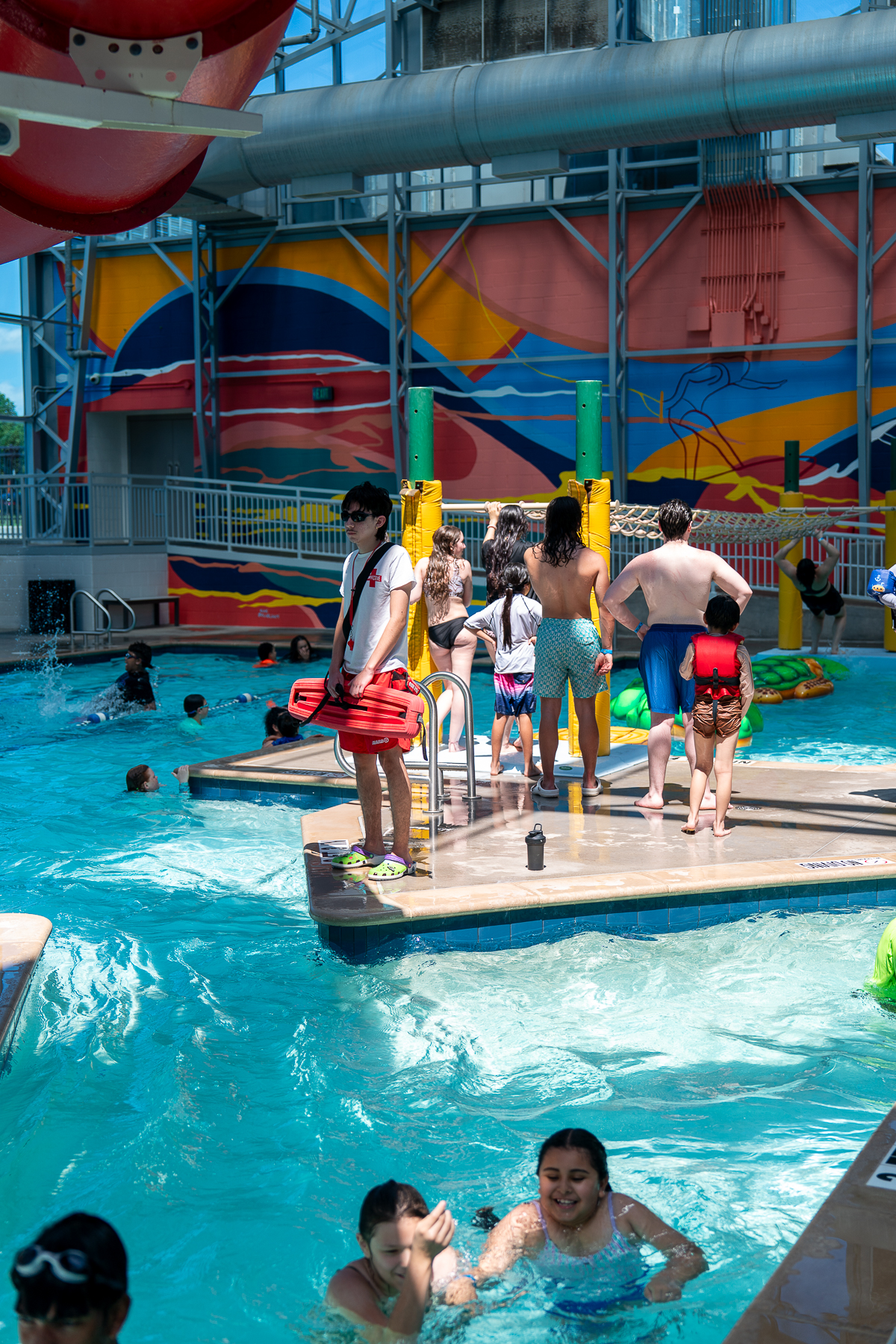
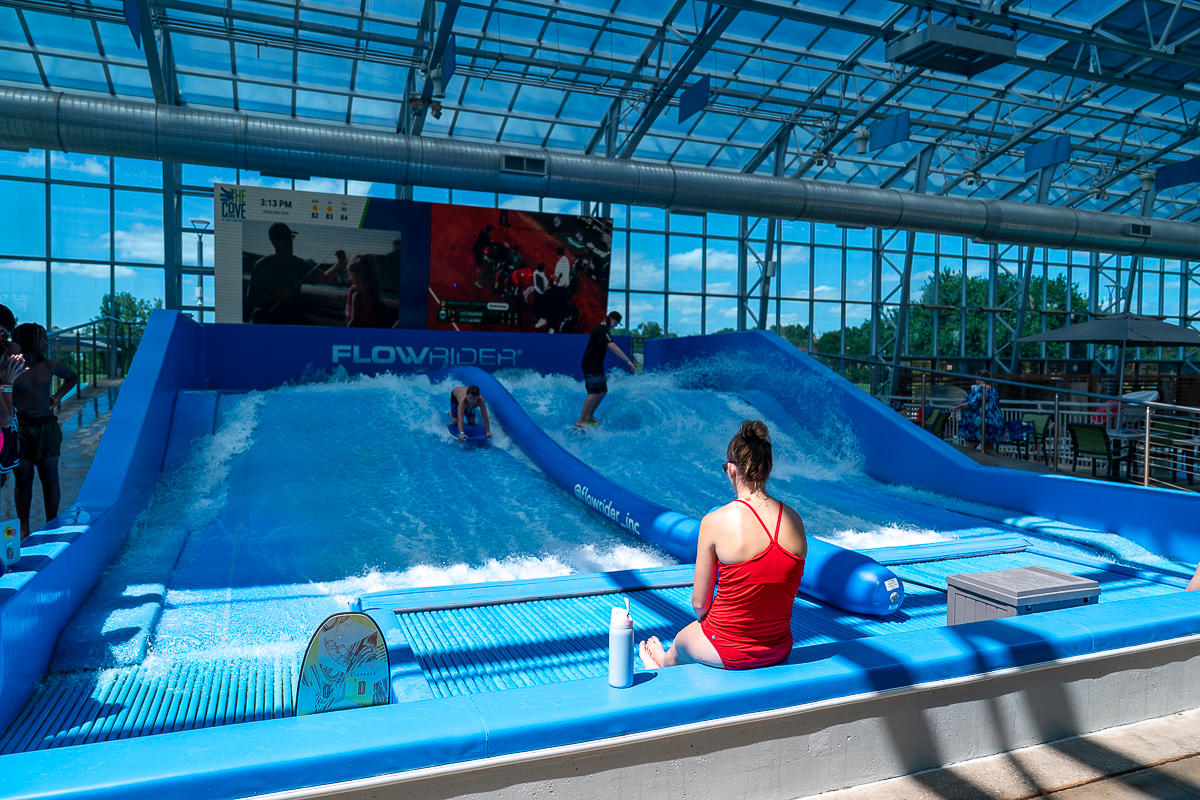
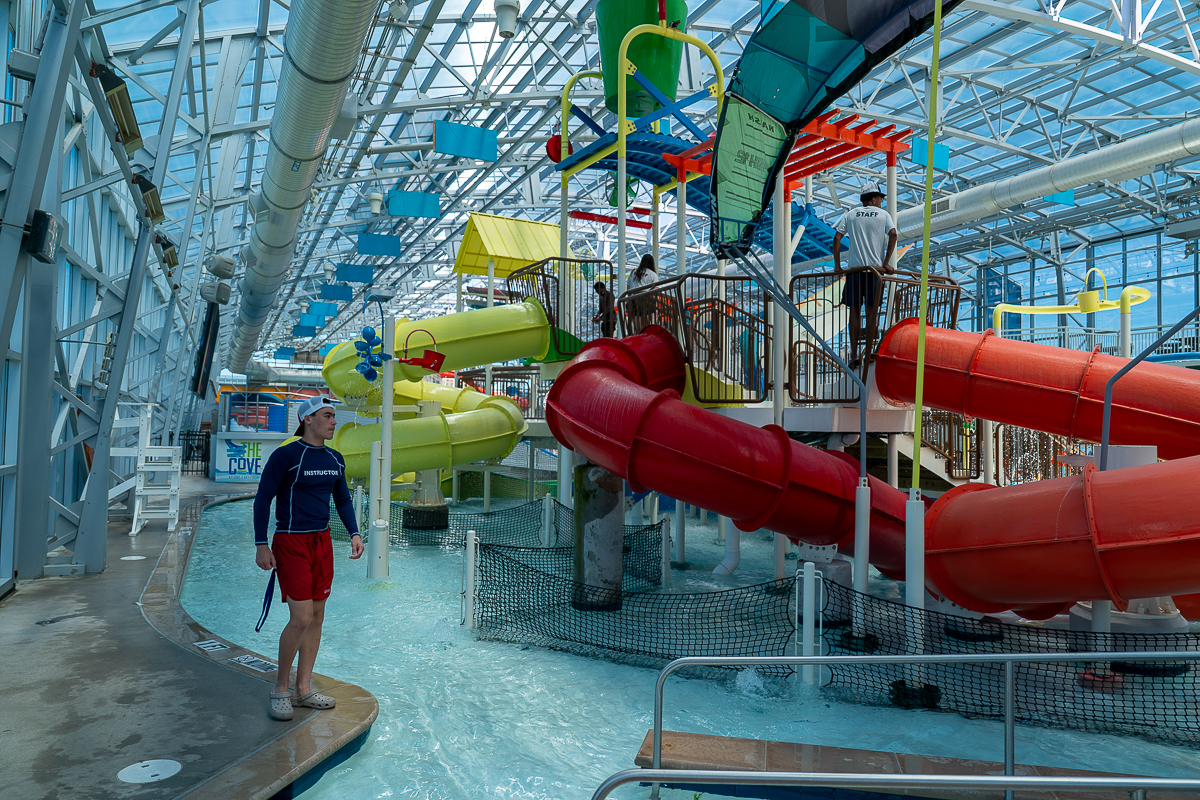
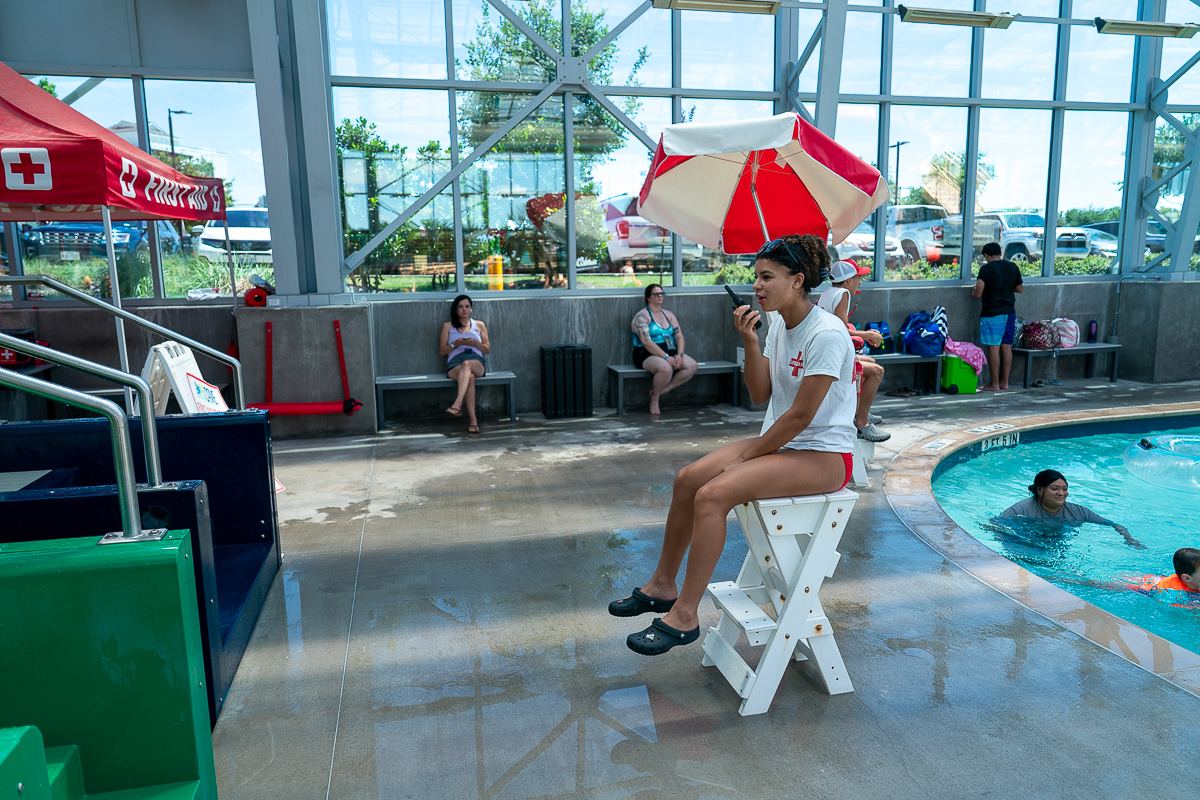
The Cove at The Lakefront®, a premier indoor water park located at 417 Lakefront Drive, offers a diverse range of lifeguard jobs. As a lifeguard here, you will not only carry out the key duties mentioned above; you’ll also get the chance to lead swim lessons, participate in special event organization, and play a key role in ensuring guests enjoy their days at the park.

Roles Beyond Lifeguard Jobs

Lifeguard jobs can set in motion a career path in the recreational or sports industry. You can use this as a stepping stone and leverage the skills you gain to branch into roles such as:

Aquatic Manager: They oversee all pool operations, including staff management and ensuring compliance with health and safety guidelines.

Resort or Cruise Ship Lifeguard: Offering opportunities to travel, these lifeguard roles offer the same responsibilities, but in a variety of unique international settings.

Swim Instructor: Using knowledge acquired as a lifeguard, one can specialize in teaching various swimming techniques to individuals of all age groups.

Water Safety Coordinator: These professionals develop safety plans and training programs for staff at water facilities or public beaches.

Using Lifeguard Jobs to Develop Essential Skills

In lifeguard jobs, you develop a set of skills and traits that are transferable across many professions. You learn:

– Vigilance
– Discipline
– Quick decision-making
– Adaptability
– Dedicated work ethics
– Excellent communication

Ready to learn more? Check out our careers page!

Lifeguarding Techniques: Tips and Tricks for Success

Diving into the world of lifeguarding techniques presents an array of lifesaving skills, sharpened instincts, and firm knowledge of water safety. You will find it intriguing and rewarding every step of the way. Lifeguarding presents its challenges but every challenge conquered is an opportunity for success.

Essential Lifeguarding Techniques

Operating in a water park like The Cove at The Lakefront® calls for an arsenal of lifeguarding techniques. Each day brings along a unique blend of tasks and responsibilities. Mastering essential lifeguarding skills is the chief way to assure success.

1. Vigilance

Keeping a keen eye on the water area is essential. Constant scanning and observation of the pool area ensure immediate action during an emergency. Lifesavers at work, as it were, should be able to spot an indication of distress from a considerable distance.

2. Stereoscopic Vision

A lifeguard should develop a good field of vision. This skill is critical to spot swimmers in distress under water and keeping a simultaneous watch over the entire pool.

3. Rapid Response

Quick response can be the difference between life and death. Prompt recognition and response to emergencies contribute to a successful rescue. Leading lifeguarding techniques dictate a rescue within 30 seconds from the onset of a situation.

Special Lifeguarding Techniques at The Cove at The Lakefront®

At The Cove at The Lakefront®, lifeguards need certain special lifeguarding techniques to ensure the safety and enjoyment of our diverse set of visitors.

1. Managing Large Crowds

During peak hours and special events, lifeguards at The Cove™ must know how to effectively manage large crowds. Techniques include spacing swimmers out in the water and managing queues at slides and diving boards.

2. Ensuring Water Exercise Safety

Some visitors at The Cove™ come for water exercise sessions. Lifeguards need to ensure the safety of these visitors by monitoring fatigue, ensuring correct exercise techniques, and managing the equipment.

Key Lifeguarding Tools and Equipment

Lifeguarding techniques are as effective as the tools and equipment that support them. The more lifeguards become in their operation, the more success can be achieved.

1. Rescue Tubes

This lifesaving floatation device is one of the lifeguard’s most critical tools. It assists the victim and the lifeguard during a rescue operation, providing buoyancy and stability.

2. Rescue Boards

These are used for rescuing victims far from shore. Lifeguards must be capable of effectively maneuvering the boards to speedily reach the victim.

Lifeguarding Success: Final Thoughts

Understanding lifeguarding techniques and how they work is only the first step. Constant practice, monitoring, reflection, and a strong commitment to safety will lead to success in this critical role. Remember, your primary role is to ensure every guest at The Cove at The Lakefront® has a safe, fun, and memorable visit.

If you have the heart to save lives, a keen eye for detail, and the will to uphold The Cove™’s reputation as an optimum fun and safe water park, a successful lifeguarding career awaits you.

Becoming a Lifeguard: Requirements and Process

When you think of The Cove at The Lakefront®, thoughts of cool water, thrilling slides, and laughs with friends may fill your mind. Ensuring the safety and enjoyment of visitors, an essential part of this fun is made possible by lifeguards. Have you ever considered becoming a lifeguard?

This blog post will guide you through the requirements and process of becoming a lifeguard. Let’s dive right into the process!

Why Become a Lifeguard?

Before we embark on the journey of becoming a lifeguard, let’s first understand why one would consider this profession.

• Lifeguarding offers an excellent opportunity to develop leadership skills.
• Lifeguards often find their responsibility for others’ safety gives them a sense of purpose.
• Working as a lifeguard can be fun and fulfilling, especially for those who enjoy water activities.

Use your love for the water to create a positive impact. Becoming a lifeguard may be the perfect fit for you!

Initial Requirements

Lifeguard candidates must meet the following requirements:

• at least 15 years old
• a strong swimmer
• pass a health and fitness test

Swimming Skills

A primary requirement of becoming a lifeguard is being an outstanding swimmer. Before starting training, you need to pass a preliminary swim test, which commonly involves:

• A 300-yard swim embedding front crawl or breaststroke.
• Retrieving a heavy object from deep water.
• Treading water without using arms for two minutes.

Lifeguard Certification and Training

Upon passing the initial requirements, the next step in becoming a lifeguard is obtaining certification.

Choosing a Certification Program

It is crucial to select a recognized and respected certification program. Prominent organizations providing lifeguard certification include the American Red Cross and the American Lifeguard Association.

Training Process

The process of becoming a certified lifeguard includes:

• Completion of online and in-person courses: These cover rescue techniques, first aid, CPR and AED, and more.
• Attend In-Person Training: Some skills have to be learned in a real pool scenario.
• Successfully pass the final tests: These will typically involve a written test and a hands-on demonstration of learned skills.

Maintaining Your Certification

Most lifeguard certifications are valid for two years. Lifeguards must maintain their certification through periodic re-certification courses and continual physical training.

Applying for Lifeguard Positions

Finally, after becoming a certified lifeguard, you can start applying for lifeguard positions. Remember to showcase your certification, swimming skills, and soft skills like communication, decision-making, and teamwork on your resume.

Lifeguard Equipment: Essential Gear for Saving Lives

Every day, lifeguards have a significant responsibility; saving lives. To perform their duties efficiently, they need the best lifeguard equipment. This blog post dives into the tools of their lifesaving trade.

The Importance of Lifeguard Equipment

People enjoy water-related activities, but the risk of accidents never fades away. Well-equipped lifeguards can make all the difference between a close call and a tragic incident. The equipment not only increases the of rescue operations but also provides a sense of safety to visitors. Therefore, investing in the right lifeguard equipment is non-negotiable.

Essential Lifeguard Equipment

Throughout the daily routine of a lifeguard, various pieces of equipment are utilized consistently. Here we’ve compiled a list of the essential gear in a lifeguard’s arsenal.

Rescue Tubes and Cans

Rescue tubes and cans are the lifeline in any water rescue operation. They are buoyant aids used to reach victims and provide support during the rescue process.

Lifeguard Whistle

A lifeguard whistle is not just an accessory. It is a communication tool used to gain attention, signal emergencies, and control crowds.

First Aid Kit

From minor injuries to major accidents, a first aid kit is a lifeguard’s toolbox. It should include band-aids, gloves, scissors, gauze, antiseptics, and more.

Spinal Board and Neck Braces

For severe incidents, especially spine or head injuries, spinal boards and neck braces are critical.

Automated External Defibrillator (AED)

In case of cardiac emergencies, access to an Automated External Defibrillator can be life-saving.

No matter the setting – a pool, a beach, or a water park such as The Cove at The Lakefront® – these pieces of lifeguard equipment are essential. Equipped with the right gear, a lifeguard can not only carry out rescues effectively but also reduce risk and ensure safety.

Choosing Lifeguard Equipment

Investing in the right lifeguard equipment is critical. Here are few considerations.

Quality and Durability

Quality is paramount. Durable equipment is more likely to withstand the harsh conditions lifeguards often work in.

Approved Equipment

Always opt for equipment that meets established safety standards.

Training and Familiarity

Lifeguards should be fully trained and familiar with their equipment.

Conclusion

We entrust lifeguards with a substantial responsibility: safeguarding our lives while we enjoy water-based activities. As such, it’s crucial they equip themselves with the right lifeguard equipment to do their job effectively. Regardless of the safety measures in place, incidents can and do occur, making dependable lifeguard equipment a must-have wherever there’s water and people.

The Evolution of Lifeguarding over the Years

Lifeguarding, a role synonymous with safety and vigilance at our favorite watering holes, has drastically evolved over the years. There’s a rich, storied history and remarkable progress involved that many may not be aware of. Hold onto your floaties, as we dive into this critical occupation’s .

A Brief Glimpse into the Past

The concept of lifeguarding isn’t new, it dates back to the early 19th century.

The Beginning Stages

In the initial phases, the need for lifeguards was felt primarily in aquatic events and festivals. Safety during these events demanded the presence of individuals well-versed with swimming techniques and capable of providing assistance in case of emergencies. These were the pioneers of lifeguarding.

Changes in the 20th Century

The 20th century heralded significant changes for the job. This was a time of advancement in technology, an increase in professional standards and greater public expectations for safety.

Formal Training and Certification

Formal training for lifeguards began to take shape as swimming gained popularity. Lifeguards were now expected to undergo rigorous training, pass challenging tests, and earn certifications to be deemed fit for duty.

in Lifeguarding Techniques

The evolution of lifeguarding over the years also brought forth procedures and techniques. Lifeguards started using lifelines, torpedoes, and rescue cans to save swimmers in distress.

Development of Lifeguard Towers and Standpoints

There was an increased emphasis on strategic positioning of lifeguards. Lifeguard towers and elevated standpoints became common to provide an unobstructed view of swimmers.

The Present Day Lifeguard

Today, the profession is marked by stringent certification standards, extensive training programs, and the adoption of state-of-the-art technology.

Technological Advancements

These days, lifeguards use advanced surveillance systems, high-powered binoculars, and even drones to keep an eye on swimmers. Also, digital platforms are being used to enhance their knowledge and skills.

Emphasis on Health and Fitness

Biannual physical fitness tests have become the norm to ensure that lifeguards remain at the peak of their abilities.

Conclusion

To say that the job has evolved is an understatement. The evolution of lifeguarding over the years signifies more than just a profession. It reflects our society’s collective investment in ensuring safety and creating secure environments for people to enjoy aquatic activities.

Lifeguard Certification: A Comprehensive Guide

The importance of Lifeguard Certification may seem implicit for safety jobs at a water park, but it holds greater weight than many realize. This comprehensive guide provides insights into the significance, process, and rewards of obtaining your Lifeguard Certification.

Why is Lifeguard Certification Essential?

Attaining a Lifeguard Certification is more than a pre-requisite for water safety jobs – it’s a statement about your abilities. You are not only reliable but also capable of handling life-threatening situations.

Responsibility and Confidence

Earning your Lifeguard Certification signifies that you can responsibly supervise swimmers, prevent accidents, and handle emergencies effectively. Confidence doesn’t come merely from ability, but from knowing you have been trained and tested. Lifeguard Certification provides that confidence.

Increased Employability

Lifeguard Certification doesn’t limit you to pools and beaches. There are job opportunities in fitness clubs, schools, and resorts. More importantly, these places put high importance on hiring certified professionals.

A Foundation for Further Careers

Lifeguard Certification can also be a foundation for future careers, within and outside the aquatic industry. Many people, who started with Lifeguard Certification, succeeded in other competitive fields such as medicine, paramedics, and public safety.

What Does Lifeguard Certification Cover?

Knowing that Lifeguard Certification is important leads to a question – what does it entail?

Swimming Skills

A lifeguard has to be an excellent swimmer. As vocal prevention is not always an option, at times, a lifeguard must make rescue attempts. Therefore, swimming skills and stamina are crucial components assessed during Lifeguard Certification.

Rescue Techniques

Many scenarios may occur in the water, and each necessitates apt responses and measures. Lifeguard Certification provides you with in-depth training in several rescue techniques applicable in various situations.

First Aid and CPR

The responsibility of a lifeguard doesn’t end with bringing someone out of the water. Training in first aid and CPR must accompany solid aquatic skills, ensuring you can revive or stabilize the patient until medical professionals arrive.

Lifeguard Certification: How to Prepare

The idea of saving lives can be overwhelming. , with the following guidelines, your journey to obtaining a Lifeguard Certification should be a smooth one.

Physical Preparation

Physical health greatly influences your success at the certification. Swimming often, running to increase endurance, and staying hydrated are practical ways to prepare.

Theory Preparation

While physical ability is important, having theoretical knowledge about rules, safety, and techniques is crucial. Reading up beforehand will give you an upper hand.

Mental Preparation

Last but not least, composure during stressful situations is an essential part of becoming a successful lifeguard. Practicing mindfulness and meditating will help you stay calm under pressure.

Afraid you’re too inexperienced? Remember, the path to Lifeguard Certification is a learning journey, and our swim lessons at The Cove at The Lakefront® can help you build that solid foundation. Get in touch with us today and start your journey towards Lifeguard Certification.

The Importance of Lifeguards in Public Safety

There’s nothing quite like spending a sunny day at a water park such as The Cove at The Lakefront®. The sun is shining, the water beckons, and everyone is in a mood for fun. Regardless of the excitement, one aspect that often stands as the unsung hero at these lively hubs is the dedicated lifeguard team. They ensure safety, and frankly, they’re the bulwark of fun times. Today, we’ll into the importance of lifeguards in public safety.

The Role of Lifeguards in Public Safety

Firstly, it helps to understand what lifeguards are responsible for. Lifeguards play a crucial role in maintaining safety and preventing accidents in aquatic environments. Their tasks includes:

– Supervising the use of aquatic facilities
– Enforcing rules and regulations
– Responding to emergencies and rescuing those in danger
– Administering first aid or CPR
– Helping maintain facilities clean and secure.

Lifeguards as Supervisors

No water fun is risk-free. But when a watchful eye consistently supervises water activities, risks are dramatically reduced. Lifeguards provide this supervision that prevents potential mishaps from turning into disasters.

Maintaining Rule Enforcement

Water parks, such as The Cove at The Lakefront®, have a set of rules designed to maximize safety. Whether you’re there for swim lessons, toddler time, parties, or just for a casual swim, lifeguards ensure everyone adheres to set rules. By doing so, they foster a safer environment for visitors of all ages.

Emergency Response

Emergencies can arise without warning in aquatic facilities. Lifeguards are trained to handle various emergency situations, quickly initiating rescue procedures and administering first aid as needed.

How Lifeguards Contribute to Public Safety

Let’s discuss how the role of lifeguards enhances public safety.

Accident Prevention

By vigilantly scanning the water and ensuring rules compliance, lifeguards can prevent accidents before they happen. Their presence itself often deters risky or unsafe behavior.

Safe Recreational Environment

With lifeguards on duty, visitors feel reassured. This sense of safety enhances the overall recreational experience, ensuring fun-filled visits to water parks.

Lifesaving Skills

Lifeguards are skilled in CPR, first aid, and other lifesaving techniques. Their ability to react quickly and effectively when emergencies arise makes them .

Role Models

Many young visitors see lifeguards as role models. This can have a positive impact, encouraging children and young adults to understand safety rules better.

Why Lifeguards are Essential to Water Parks

Given their role in accident prevention and creating a safe recreational environment, lifeguards form the backbone of any water park. Without them, the risk of incidents and injuries increases significantly.

Ensuring Safety at The Cove at The Lakefront®

The dedicated team of lifeguards at The Cove at The Lakefront® is essential to ensuring public safety. Whether it’s supervising swim lessons, watching over fundraising events, or maintaining safety during parties and rentals, their commitment to safety is unwavering.

A Day in the Life of a Lifeguard at The Cove at The Lakefront®

Being a lifeguard might seem like a dream job when you’re relaxing poolside or enjoying a sunny day at the beach. One may think it’s all about watching over gleeful swimmers and soaking up the sun. Yet, the lifeguard at a water park like The Cove at The Lakefront® knows that their day is far from simple. Now, what does an ordinary day in the life of a lifeguard entail?

Early morning prep before the park opens

A lifeguard’s day often begins before the park opens. You might be surprised to know that their role involves much more than simply watching over swimmers.

Weather and Water Checks

Before the park opens, the lifeguard must check the weather to understand the potential challenges of the day. They also conduct a preliminary check of the water conditions in all swimming areas.

Equipment Checks

Next, the lifeguard ensures all rescue equipment is in optimal condition. For this, they have to check items like the ring buoys, rescue tubes, and first aid kits.

During the Park Hours

As the park opens, the central role of the lifeguard kicks into full gear.

Patrolling and Overseeing

During park hours, the lifeguard patrols the swimming areas and oversees safety protocols being followed by visitors. They enforce park rules and employ emergency procedures if required.

Rescuing and Providing First Aid

The responsibility of life-saving falls on the shoulders of the lifeguard. When accidents occur, it is their duty to rescue distressed swimmers.

From Swim Lessons To Toddler Time

At The Cove at The Lakefront®, a lifeguard could be taking a swim lesson one hour and running ‘Toddler Time’ the next. The ability to adapt and handle various roles is key in a lifeguard’s day to day job.

Coaching and Training

A part of their day is often dedicated to proactively training visitors, sharing techniques that may help them survive dangerous situations.

End of the Day Tasks

Even as the day ends and the park visitors dwindle, a lifeguard’s job is far from completed.

Clean-Up Duties

Post the last swim, lifeguards engage in clean-up duties which include a last round of equipment checks and ensuring that the swimming areas are secure for the night.

When we enjoy our leisurely swim under the sun, it is easy to overlook the work that goes into ensuring we can enjoy our day worry-free. Hopefully, this post gives you a newfound appreciation for the lifeguard who keeps an attentive watch over your safety. The job of a lifeguard at The Cove at The Lakefront® is demanding but also rewarding.

The Essential Training for Lifeguards

Looking for a fulfilling job that combines physical fitness, a passion for water, and the ability to make a real difference in people’s lives? Then becoming a lifeguard at The Cove at The Lakefront® might be the career path for you. This article dives into the essential training for lifeguards that you’ll need to undertake to join this rewarding profession.

A Brief Overview of Lifeguard Duties

Before we dive into the training, let’s refresh our understanding of the job. Lifeguards at The Cove at The Lakefront® are entrusted with several key roles. These include:

– Vigilant surveillance of swimmers for signs of distress or danger
– Responding promptly to emergencies
– Performing rescues and administering first aid
– Ensuring compliance with water safety rules
– Helping maintain cleanliness and orderliness around the water park

The Path to Becoming a Lifeguard: Prerequisites

Before starting your essential training for lifeguards, you’ll need to meet a few prerequisites. To qualify for lifeguard training, you must:

1. Be at least 15 years old
2. Have strong swimming skills
3. Be able to demonstrate a solid level of physical fitness

Swimming Skills Evaluation

Potential lifeguards must be competent swimmers. At The Cove at The Lakefront®, we assess this competency through a practical swimming test that typically includes:

– A long-distance swim of 300 yards
– Retrieval of a submerged object from deep water
– Treading water for two minutes without the use of hands

The Essential Training for Lifeguards’ Course

Assuming you meet the prerequisites, your journey begins with a Comprehensive Lifeguard Training Course. This course covers a broad range of topics essential to ensuring the safety and wellbeing of visitors to The Cove at The Lakefront®. The main components of the course include:

Water Safety Skills

This part of the critical training for lifeguards focuses on teaching you how to spot potential dangers and high-risk behaviors. , you will learn the procedures for applying rules and regulations to prevent accidents from happening in the first place.

Rescue Techniques

The training includes practical drills on how to perform various rescue strategies in different scenarios. Key skills taught include rescuing a distressed swimmer, dealing with unconscious victims, and handling spinal injuries in the water.

First Aid and CPR

A significant part of the lifeguard’s role is to offer immediate first aid and cardiopulmonary resuscitation (CPR). You will be trained on how to administer these life-saving interventions while waiting for more advanced medical help to arrive.

Professionalism and Ethical Standards

Lastly, the training covers the softer skills needed by lifeguards. These include maintaining professionalism, adhering to ethical standards, communicating effectively and managing water park operations.

Passing The Certification Examination

Following the initial training, future lifeguards must pass an examination to prove that they have mastered the needed skills and knowledge. The test typically includes both written and practical components, each designed to assess critical aspects of the role.

Written Examination

This portion tests the key theoretical knowledge gained during training. This exam will cover water safety rules, emergency protocols, and the correct use of lifesaving equipment.

Practical Tests

The practical assessment examines the application of the theoretical knowledge under simulated emergency scenarios. This may include water rescue, CPR, first-aid procedures, and more.

Continuous Professional Development

Becoming a certified lifeguard is not the end; rather, it’s only the beginning. Lifeguards at The Cove at The Lakefront® are encouraged to take part in continuous professional development events. These activities promote skill enhancement and staying current with the latest safety protocols.

As a lifeguard, your learning journey never really ends. Regular training sessions, drills, and refresher courses are scheduled throughout the year. Some examples of these ongoing training themes include:

– New local, state, or federal water safety regulations
– Updated rescue techniques
– Advanced first-aid procedures

To sum up, the essential training for lifeguards is a comprehensive process that touches on a wide range of skills, techniques, and protocols essential to maintaining water safety. The path to becoming a lifeguard at The Cove at The Lakefront® requires dedication, physical fitness, and a strong sense of responsibility. Are you ready to dive in?